Tiếng Việt

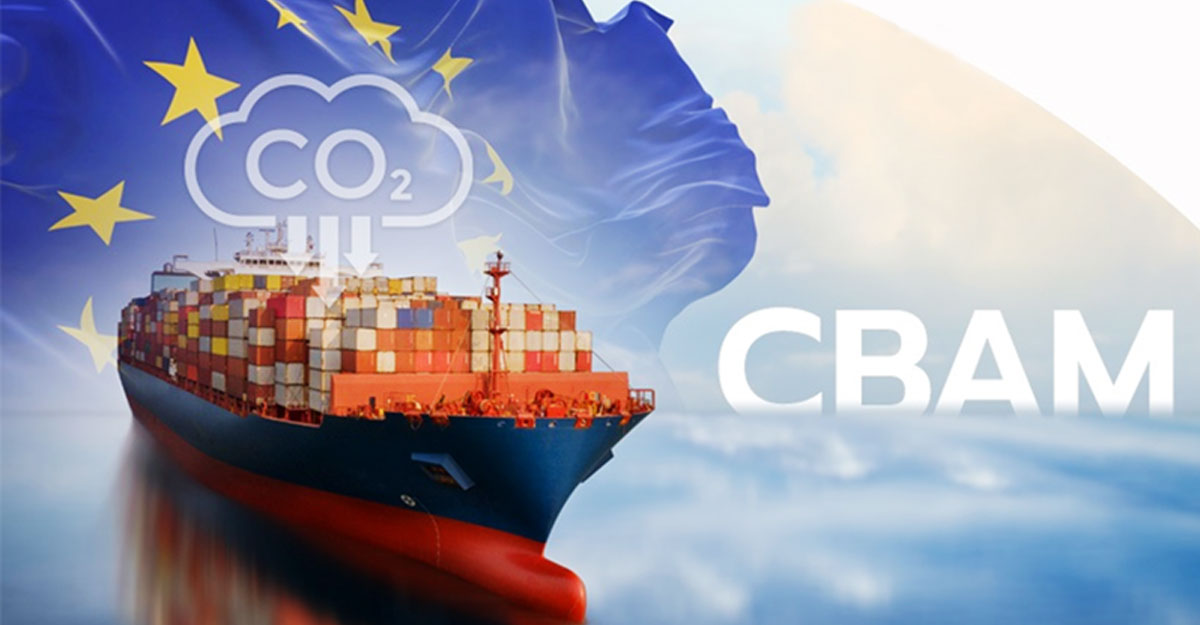
The European Union’s Carbon Border Adjustment Mechanism (CBAM) officially entered its transition phase in October 2023, marking an important milestone in global climate and trade policy. This article will clarify the core requirements that Vietnamese businesses, especially those in sectors directly impacted (Steel, Cement, Fertilizers, Aluminum, Electricity, Hydrogen), need to immediately address. While the transition phase does not yet require payment for carbon costs, businesses must still fulfill the obligation of quarterly reporting on the carbon emissions associated with their exports to the EU. The article will dive into: (1) What information should CBAM reports include? (2) Which methods for calculating associated emissions are accepted? (3) Deadlines for submitting the first report and subsequent periods? (4) Common challenges businesses might face in data collection and calculations? (5) Consequences of non-compliance or reporting errors? Furthermore, the article highlights the importance of early preparation, not just to comply, but also to identify opportunities for emission reduction, cost optimization, and building long-term strategies as CBAM fully operates from 2026. This critical information will help businesses stay proactive and maintain a competitive edge in the EU market.
1. What Information Should CBAM Reports Include?
In the transition phase, businesses exporting to the EU will be required to report on carbon emissions associated with their exported products. This includes:
-
The corresponding CO2 emissions: Businesses must determine the carbon emissions produced during the manufacturing, processing, and transportation of products.
-
Energy source data: The energy sources used in the production process need to be listed and calculated.
-
Emission calculation methods: Businesses must apply a calculation method that is accepted by the EU to determine the emissions tied to the product.
Accurately collecting this information is crucial for complying with CBAM regulations and ensuring transparency and accuracy in reporting.
2. Which Emission Calculation Methods Are Accepted?
One of the main challenges businesses will face is applying the correct method for calculating emissions. CBAM allows for different methods, but these must be approved by the EU and in line with international standards. Businesses should work with environmental experts or consultants to ensure their calculation methods are accurate and recognized by the EU.
3. Deadlines for Submitting the First Report and Subsequent Periods
While the transition phase does not require payment for carbon costs, quarterly reporting is mandatory. Businesses must complete their reports and submit them to the relevant EU authorities.
-
Deadline for the first report: Companies need to be aware of the deadline for submitting their initial report and subsequent reporting periods to avoid penalties or legal issues.
-
Subsequent periods: Reports must be submitted on time each quarter as required by regulatory authorities.
4. Common Challenges Businesses Might Face in Data Collection and Calculations
One of the biggest challenges exporters may face is collecting accurate and transparent data on carbon emissions. These challenges include:
-
Difficulty in accessing data: Many businesses still lack systems for collecting and analyzing carbon emissions data from production processes.
-
Increased costs for adopting new technologies: Implementing tools and software to manage environmental data may require a significant initial investment.
-
Training staff: A specialized workforce is needed to understand CBAM regulations and how to calculate emissions, which can be challenging due to a shortage of skilled personnel.
5. Consequences of Non-compliance or Reporting Errors
If businesses fail to comply with CBAM requirements or submit incorrect reports, they will face serious consequences:
-
Fines: The EU will impose penalties on companies that do not comply or report incorrectly.
-
Reduced competitiveness: Non-compliance can erode trust from partners and customers, affecting the business’s position in the EU market.
-
Loss of export rights: In extreme cases, businesses may face restrictions or bans on exporting products to the EU.
6. The Importance of Early Preparation: Opportunities and Long-term Strategy
Preparing for CBAM early is not just about compliance, but also presents significant opportunities to reduce costs and improve production efficiency. Businesses can explore ways to optimize production processes, adopt green technologies, and use renewable energy to reduce carbon emissions, thus optimizing costs and improving their competitiveness in the EU market.
Early preparation also helps businesses build long-term sustainable development strategies, creating environmentally-friendly products that meet the growing demand for green products in international markets.