Tiếng Việt

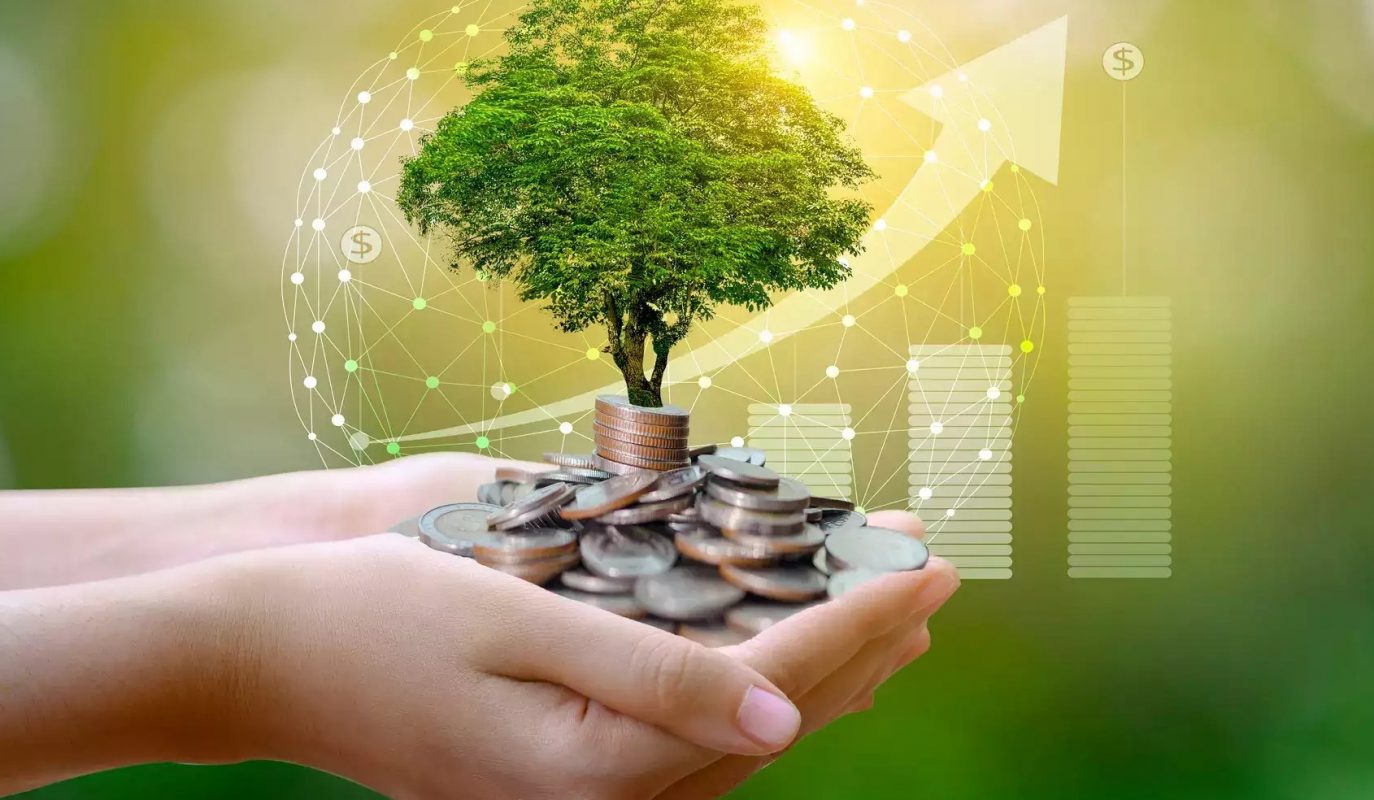
Green finance is emerging as a vital resource supporting the transition to a low-carbon, sustainable economy in Vietnam. However, many businesses are still unfamiliar with these financial tools and how to access them. This article provides an overview. (1) What is Green Finance? The definition and role of green finance in raising funds for environmentally and socially beneficial projects. (2) Popular Green Finance Tools in Vietnam: An introduction to green bonds, green loans, ESG/sustainability-focused investment funds, and government and international support programs. (3) Benefits for Businesses: In addition to having access to funding for projects, green finance helps businesses enhance their reputation, demonstrate their commitment to sustainability, and potentially benefit from favorable interest rates or better loan conditions. (4) Conditions and Process for Accessing Green Finance: What do businesses need to prepare to qualify for green finance? This often includes defining clear green project goals, building a green finance management framework, establishing monitoring, reporting, and environmental impact verification systems. The role of having reliable ESG reports or carbon footprint inventories. (5) Prospects and Challenges: The development potential of Vietnam’s green finance market and barriers that need to be overcome (legal frameworks, assessment capacity, and business awareness). The article encourages businesses to proactively learn and prepare to leverage this critical resource.

1. What is Green Finance?
Green finance refers to the financial investments made in projects or initiatives that have positive environmental or social impacts. Its primary objective is to fund initiatives that contribute to a low-carbon economy and promote sustainability. Green finance encompasses a range of financial tools aimed at addressing climate change, reducing environmental degradation, and supporting the transition to a more sustainable economy. In the context of Vietnam, green finance is instrumental in mobilizing capital for sustainable infrastructure projects, renewable energy, and low-carbon industries, helping Vietnam move toward its green goals.
2. Popular Green Finance Tools in Vietnam
In Vietnam, several green finance tools are becoming increasingly popular, offering businesses various funding opportunities for sustainable projects. These tools include:
-
Green Bonds: These are debt securities issued to raise funds specifically for projects that have environmental benefits. Green bonds offer businesses an opportunity to attract long-term, low-cost capital for green projects like renewable energy, energy efficiency, and waste management.
-
Green Loans: Similar to green bonds, green loans are provided with the intention of supporting environmentally friendly projects. These loans typically offer lower interest rates and favorable terms to businesses that meet green criteria.
-
ESG/Sustainability-Focused Investment Funds: These are funds managed by institutional investors or private equity firms that focus on financing projects with strong environmental, social, and governance (ESG) practices. Vietnamese businesses can access these funds to implement sustainable initiatives.
-
Government and International Support Programs: The Vietnamese government, along with international organizations such as the World Bank and the Asian Development Bank, offers various funding and support programs for businesses pursuing sustainable projects. These programs can provide financial backing as well as technical support for businesses transitioning to green practices.
3. Benefits for Businesses
There are several advantages for businesses that successfully access green finance:
-
Funding for Sustainable Projects: Green finance provides businesses with the capital needed to implement projects that have positive environmental and social impacts, such as renewable energy, energy efficiency, and waste reduction projects.
-
Enhanced Reputation and Sustainability Commitment: Accessing green finance demonstrates a company’s commitment to sustainability, helping to enhance its reputation among stakeholders, investors, and customers. Businesses can position themselves as leaders in sustainability and attract environmentally-conscious consumers and investors.
-
Favorable Loan Terms and Interest Rates: Businesses can benefit from favorable terms, including lower interest rates or longer loan durations when accessing green finance. This can reduce the cost of capital and make green projects more financially viable.
4. Conditions and Process for Accessing Green Finance
To qualify for green finance, businesses must meet certain conditions and follow specific procedures:
-
Clear Green Project Goals: Businesses must define the environmental and social goals of their projects. Projects should aim to reduce carbon emissions, enhance energy efficiency, or promote sustainable practices.
-
Green Finance Management Framework: Businesses need to establish a solid management framework for overseeing their green finance initiatives. This includes creating policies for managing green funds and ensuring proper usage of the capital.
-
Environmental Impact Monitoring and Reporting: An essential requirement is having reliable monitoring, reporting, and verification systems to track the environmental impact of the project. This involves measuring the reduction in carbon emissions, energy consumption, or other environmental benefits of the projects financed by green finance.
-
Reliable ESG Reports: Having accurate and credible ESG (Environmental, Social, and Governance) reports or carbon footprint inventories is key to securing green finance. These reports should reflect a company’s sustainability efforts and demonstrate their readiness to comply with green finance standards.
5. Prospects and Challenges
Vietnam’s green finance market is showing considerable potential for growth. With the government and international institutions emphasizing sustainability, the demand for green finance is expected to rise. However, several barriers remain:
-
Legal Frameworks: The legal environment for green finance is still developing in Vietnam. Clearer regulations and incentives are needed to ensure businesses can access green finance easily.
-
Assessment Capacity: There is a need to build the capacity of financial institutions to assess and evaluate green projects effectively. This includes ensuring they can accurately measure the environmental impact of projects and verify the proper use of green funds.
-
Business Awareness: Many businesses are still unfamiliar with green finance tools and processes. Raising awareness about the opportunities and benefits of green finance is essential to drive adoption.
Conclusion
Green finance plays a crucial role in supporting businesses that wish to transition to more sustainable practices in Vietnam. By leveraging green finance tools such as green bonds, green loans, and ESG investment funds, companies can access the capital needed to implement environmentally friendly projects. However, businesses must prepare themselves by establishing clear green goals, monitoring systems, and reliable reporting practices. With the right preparation, businesses can tap into green finance opportunities, enhance their sustainability, and position themselves as leaders in the green economy. The article encourages businesses to actively seek out green finance resources and take steps to integrate sustainability into their operations.