Tiếng Việt

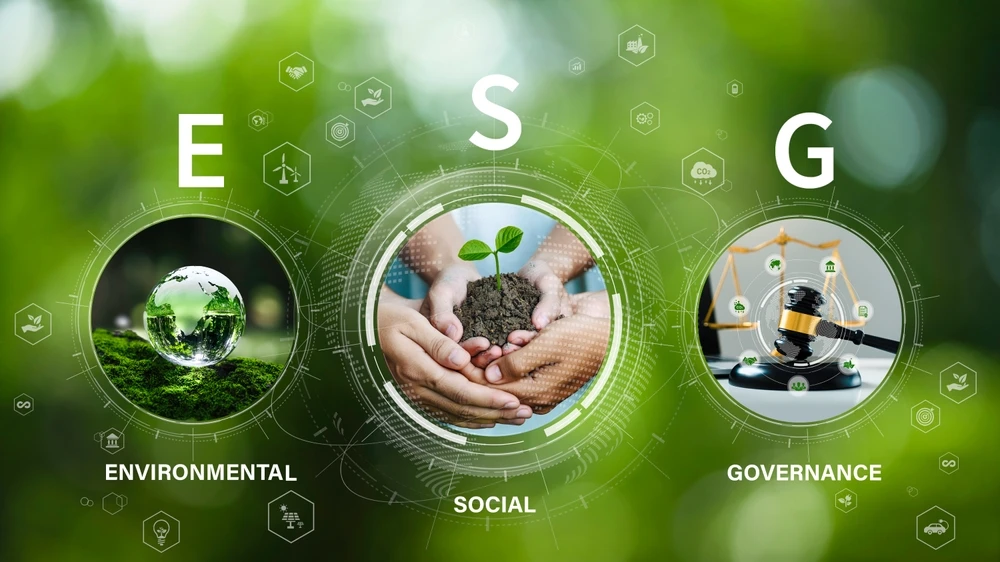
Many Vietnamese businesses are still unsure about the real value of investing in ESG (Environmental – Social – Governance), often viewing it as a cost or a mere formality. This article will prove otherwise by analyzing the five specific strategic benefits that ESG brings. (1) Access to sustainable capital: Investors and financial institutions are increasingly prioritizing companies with strong ESG performance, opening up opportunities for green credit, green bonds, and more attractive capital costs. (2) Effective risk management: ESG practices help businesses identify and mitigate potential non-financial risks, ranging from climate change and environmental pollution to labor safety, inequality, and poor governance, ensuring stable operations. (3) Enhancing reputation and brand value: Transparent and responsible ESG practices build strong trust with customers, partners, communities, and regulators, creating a sustainable competitive advantage. (4) Optimizing operational efficiency: Implementing ESG often leads to process reviews, promoting energy and resource savings, reducing waste, and cutting operational costs. (5) Attracting and retaining talent: A safe, fair, purpose-driven work environment that contributes positively to society will help businesses attract and retain talented, passionate employees. The article will provide illustrative examples and emphasize that ESG is a strategic investment for long-term growth.

1. Access to Sustainable Capital
In recent years, investors and financial institutions have placed a growing emphasis on companies that show strong ESG performance. These organizations recognize that businesses with robust ESG practices are more likely to succeed in the long term due to their focus on sustainability, risk mitigation, and corporate responsibility. As a result, companies with solid ESG strategies have a competitive advantage when it comes to accessing financing options like green credit and green bonds, often at more attractive interest rates. By aligning their operations with ESG principles, Vietnamese businesses can tap into sustainable funding sources, lowering their cost of capital and gaining better financial opportunities.
2. Effective Risk Management
ESG practices help businesses identify, assess, and mitigate various non-financial risks that could have a significant impact on their operations. These risks include environmental factors such as climate change, pollution, and resource depletion, as well as social issues like labor safety, inequality, and human rights violations. Companies with strong governance structures can better manage internal and external challenges, ensuring stability and long-term growth. In contrast, businesses that neglect ESG considerations are more vulnerable to regulatory penalties, reputational damage, and operational disruptions.
3. Enhancing Reputation and Brand Value
Consumers, business partners, and regulatory authorities are increasingly demanding transparency and responsibility when it comes to corporate behavior. Companies that prioritize ESG initiatives build trust with stakeholders by demonstrating their commitment to sustainable practices and ethical operations. This transparency and accountability not only enhance a business’s reputation but also create a strong brand identity that differentiates it from competitors. In the long run, these efforts contribute to a sustainable competitive advantage, as customers are more likely to support businesses that align with their values.
4. Optimizing Operational Efficiency
Adopting ESG practices often leads businesses to review and optimize their operational processes. This may include improving energy efficiency, reducing resource consumption, minimizing waste, and adopting sustainable technologies. These changes not only benefit the environment but also result in significant cost savings. For example, businesses that reduce their energy consumption or improve waste management practices can lower their operational costs. ESG-driven efficiencies contribute to both a positive environmental impact and increased profitability, making it a win-win for businesses looking to streamline operations while meeting sustainability goals.
5. Attracting and Retaining Talent
A positive corporate culture rooted in fairness, safety, purpose, and social contribution can significantly enhance employee satisfaction and retention. Millennials and Generation Z, in particular, are more likely to seek employment with companies that share their values and offer an inclusive, equitable work environment. By investing in ESG, businesses can create workplaces where employees feel valued and engaged. This leads to higher productivity, lower turnover rates, and greater ability to attract top talent. In turn, a motivated and committed workforce is essential for long-term business success.
Conclusion:
ESG is far from being just a trend or a formality for businesses; it is a strategic investment that yields practical benefits in terms of accessing capital, managing risks, enhancing reputation, optimizing operations, and attracting talent. For Vietnamese businesses, integrating ESG principles is not only a way to comply with global standards but also a critical component for building sustainable growth. The long-term advantages of ESG make it a valuable tool for any company looking to thrive in a rapidly changing business landscape.